
Loft conversions and extensions in Oxford

Loft Conversions
CK Architectural specialises in the design, planning and technical development of loft conversions. Whether you are considering a straightforward rooflight conversion or a dormer extension, we bring extensive experience.
Our architectural designers understand roof structures and identify opportunities to maximise space. We balance newly created space against disruption to existing rooms and often uncover hidden opportunities for storage or compact en-suites.
We advise on permitted development eligibility and planning requirements, ensuring compliance with Oxford City Council design guidance where applicable.
Key considerations at design stage include fire escape compliance, insulation standards and headroom above stairs. These are assessed early to avoid later complications.
Types of loft conversions/roof extensions:
Hip To Gable Loft Conversions
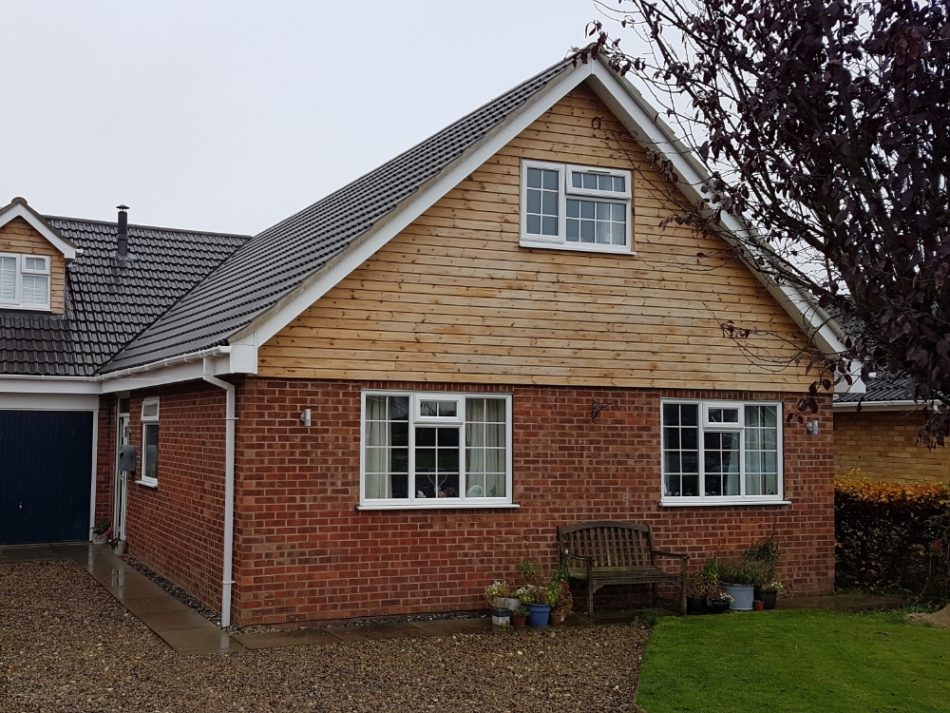
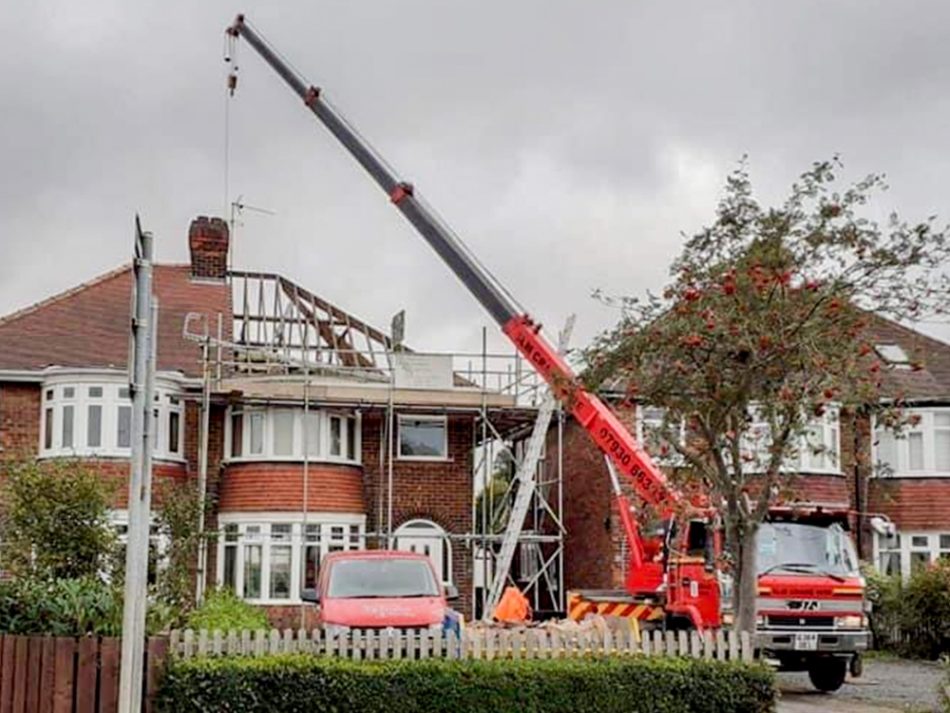
If your property has a hipped roof, converting it to a gable can significantly increase usable head height. Many hip-to-gable conversions fall within permitted development limits, subject to volume restrictions.
Dormer Loft Conversions
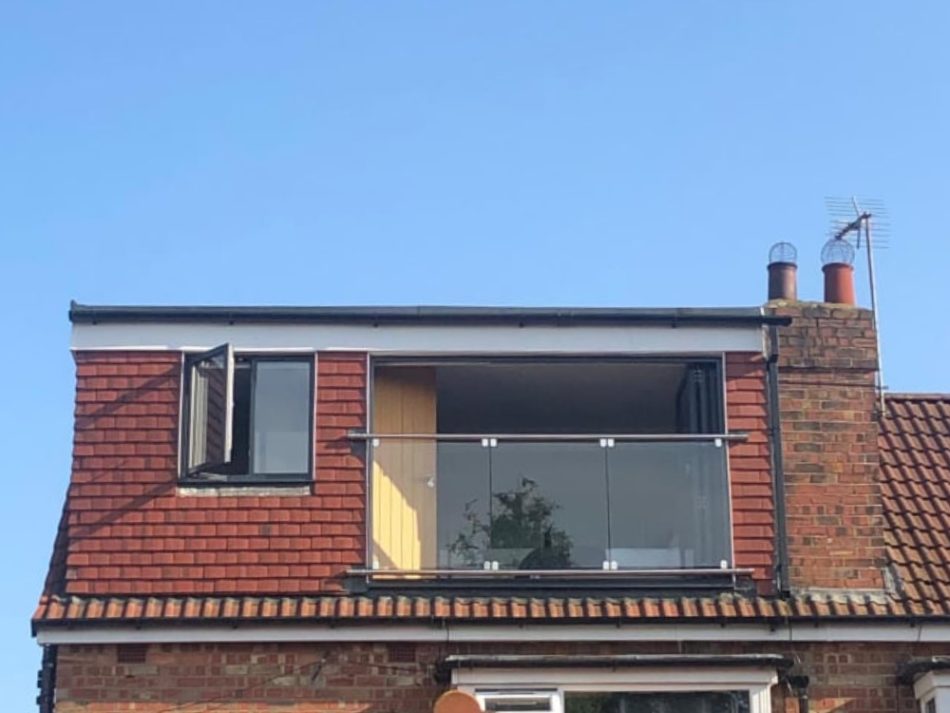
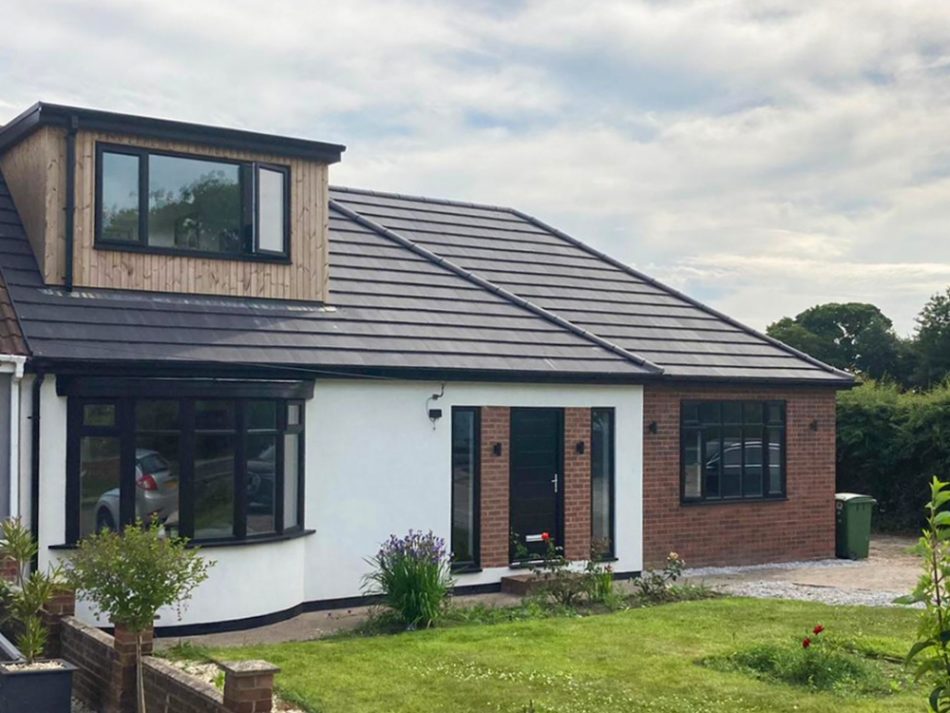
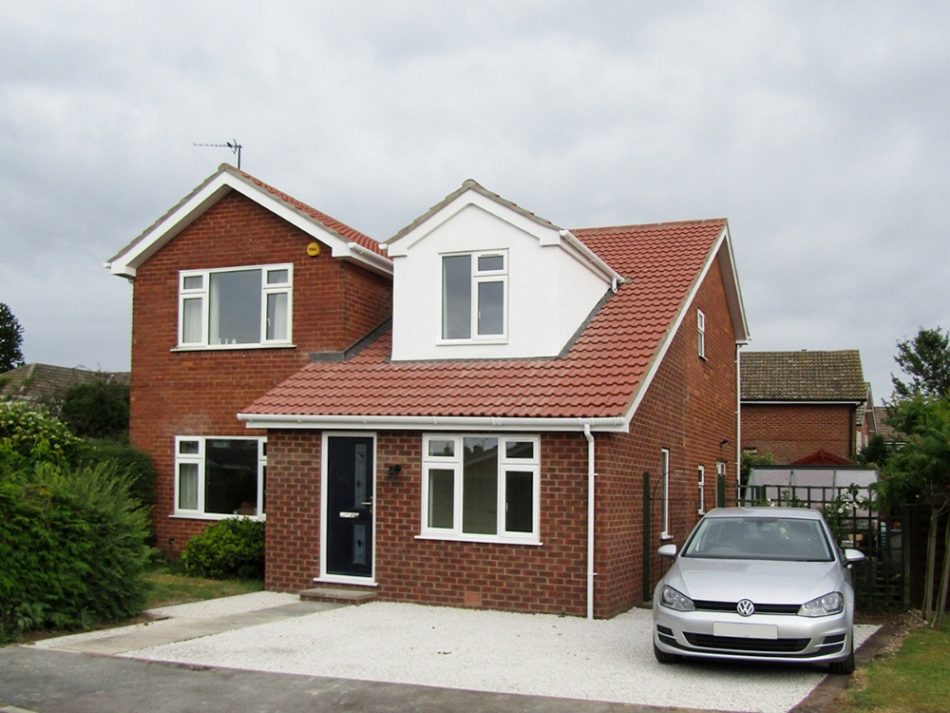
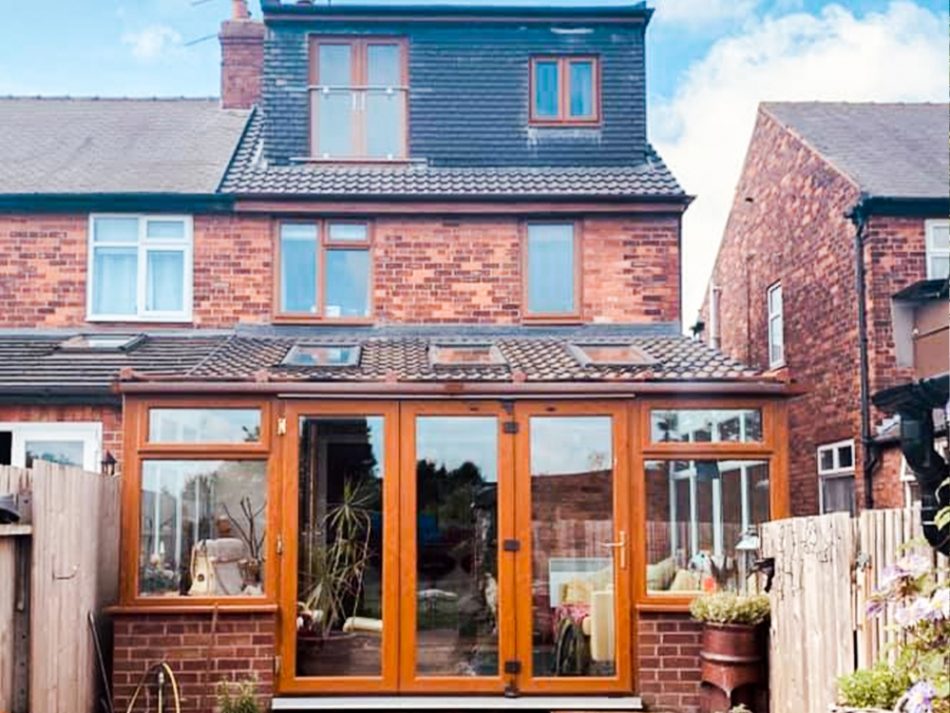
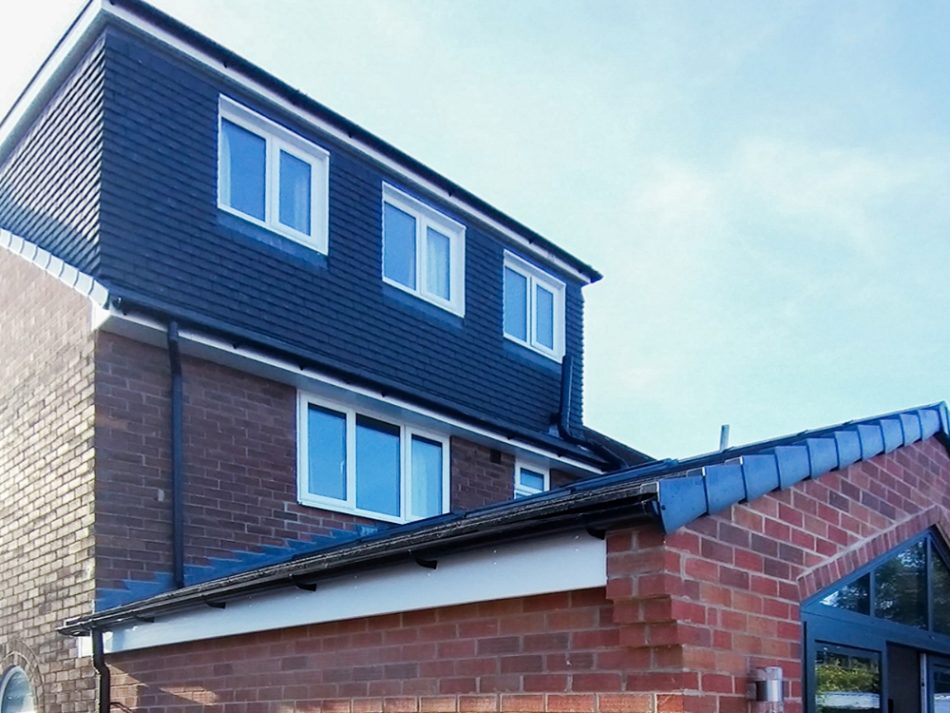
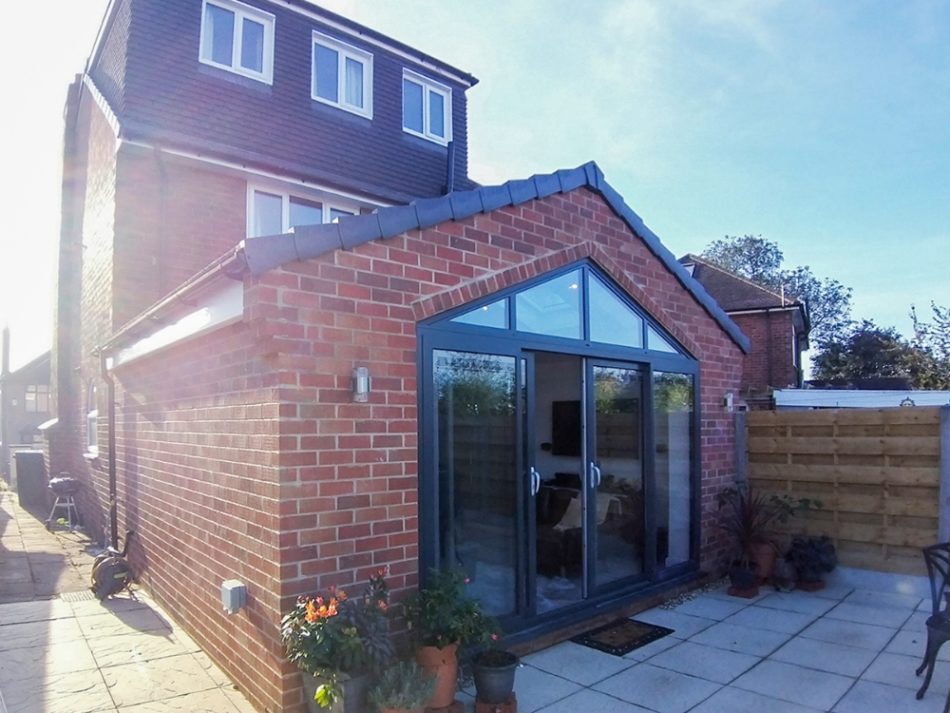
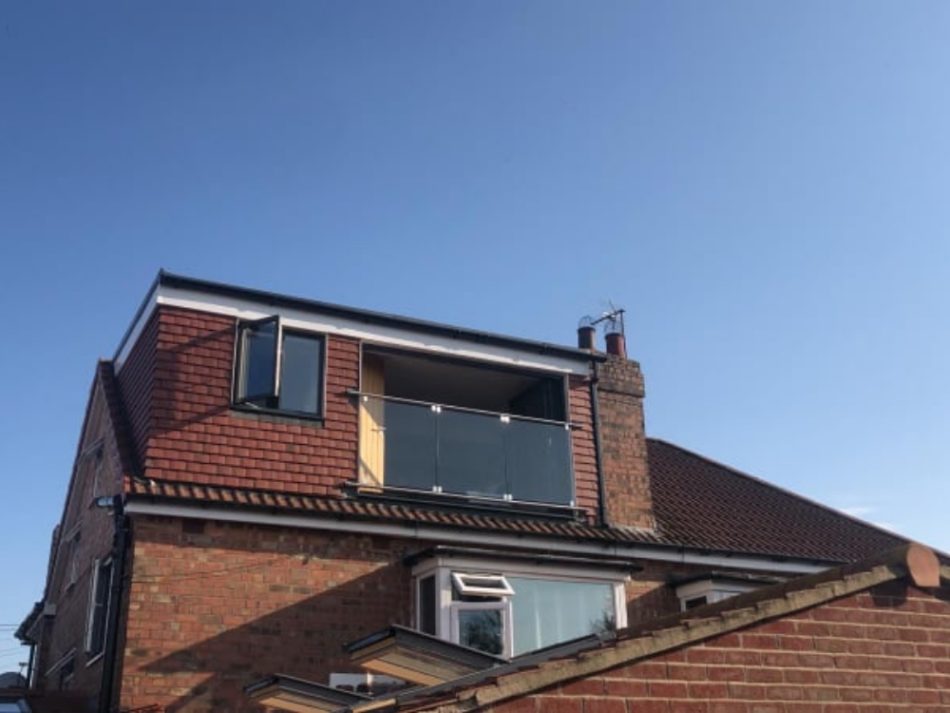
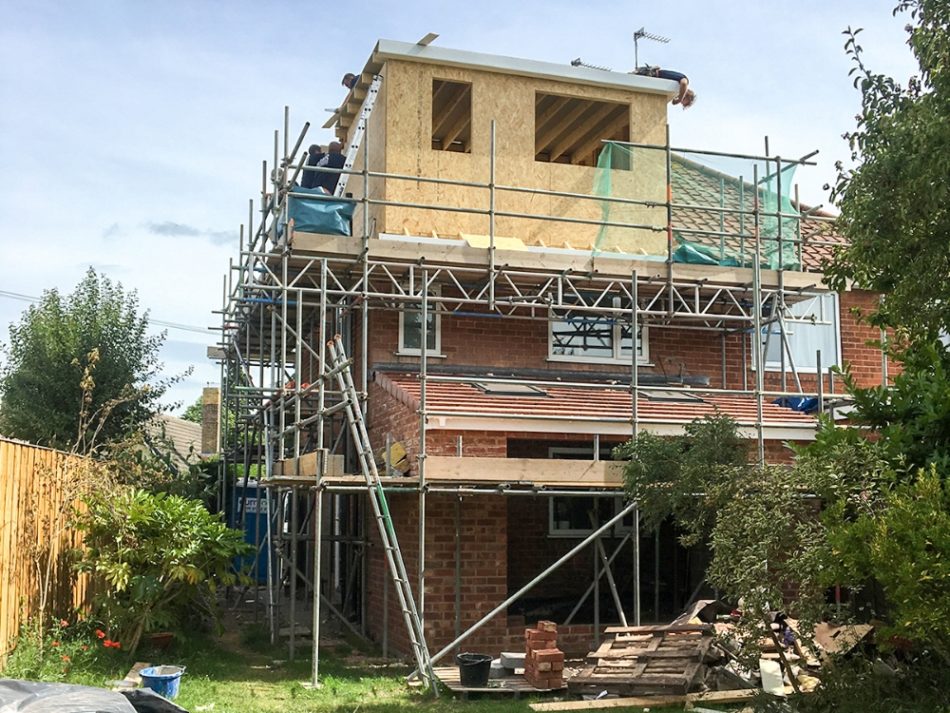
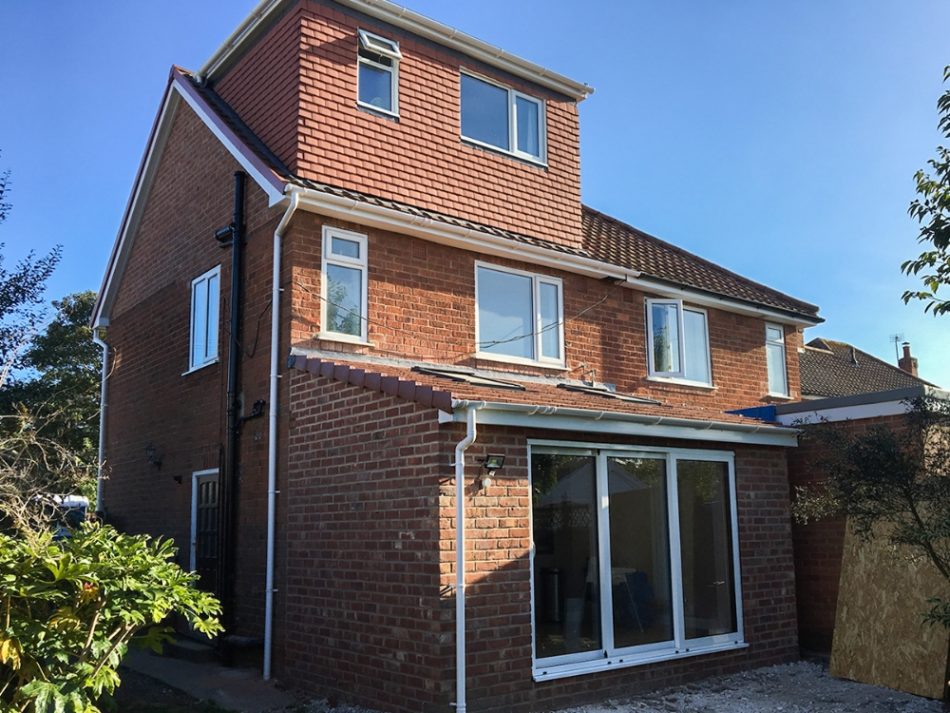
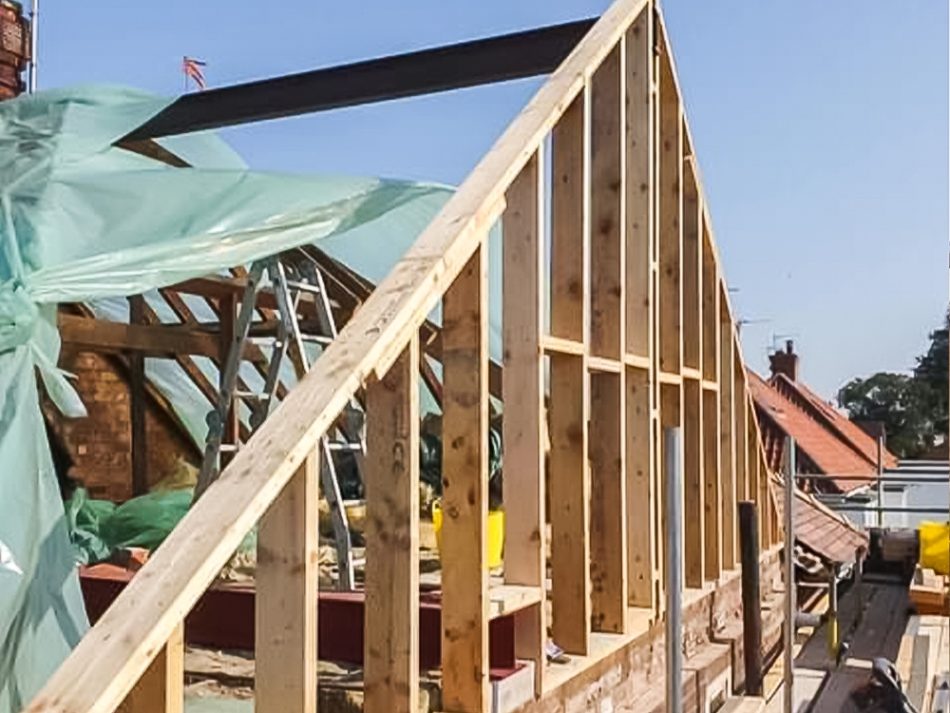
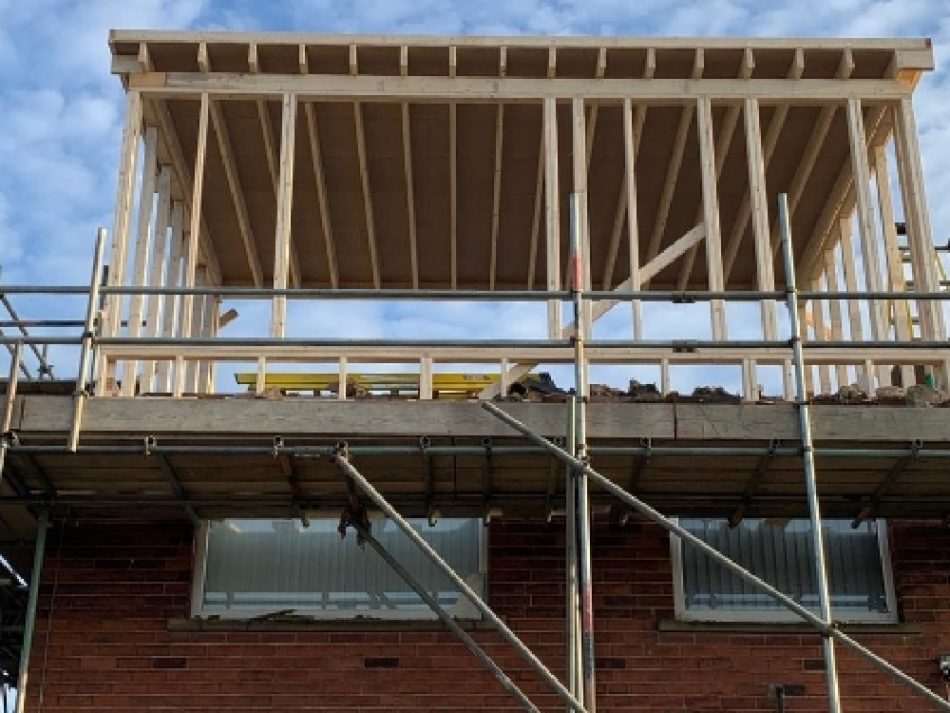
Dormers are roof extensions that create additional internal volume. They range from large flat-roof dormers to smaller pitched designs. Rear dormers can dramatically improve usable space where headroom is limited. Smaller dormers may be appropriate where design sensitivity or planning restrictions apply.
The Loft Conversion Process
The first step is assessing available height. If insufficient, options such as raising the roof or lowering ceilings may be considered, though these are more complex and costly.
We then conduct a full measured survey, produce existing plans and develop proposals that optimise stair positioning, head height and room layout. All building regulations considerations are incorporated at this stage.
Planning and Building Control Approval for Loft conversions in Oxford
Once finalised, we prepare and submit either a full householder planning application or a Certificate of Lawful Development.
Building regulations compliance for loft conversions is technically detailed and typically requires structural engineering input. We coordinate structural calculations and address fire safety, ventilation and insulation requirements.
Once approved, you receive a comprehensive drawing package ready for construction.
Permitted development
Under the new permitted development right, most roof conversions can be done without the need for planning permission. If planning is required, the usual criteria and justification will have to be met. Overlooking, dominating, keeping in character, size and scale to its neighbours will be the points to consider. We will consider all planning policies both national and local before we submit any application, so you have the very best chance of success.
To find out more about planning read our planning permission guide.
Permitted development requirements
A loft conversion for your house is considered to be permitted development, not requiring an application for planning permission, subject to the following limits and conditions:
- A volume allowance of 40 cubic metres additional roof space for terraced houses.
- A volume allowance of 50 cubic metres additional roof space for detached and semi-detached houses.
- No extension beyond the plane of the existing roof slope of the principal elevation that fronts the highway.
- No extension to be higher than the highest part of the roof.
- Materials to be similar in appearance to the existing house.
- No verandas, balconies or raised platforms.
- Side-facing windows to be obscure-glazed; any opening to be 1.7m above the floor.
- Roof extensions not to be permitted development in designated areas**
- Roof extensions, apart from hip to gable ones, to be set back, as far as practicable, at least 20cm from the original eaves.
- The roof enlargement cannot overhang the outer face of the wall of the original house.
Book your call today
In our calls, you’ll chat with a friendly member of our design team. We’ll cover everything about your project, like the project brief, budget, design limitations, and advice on planning and building regulations, and much more.
